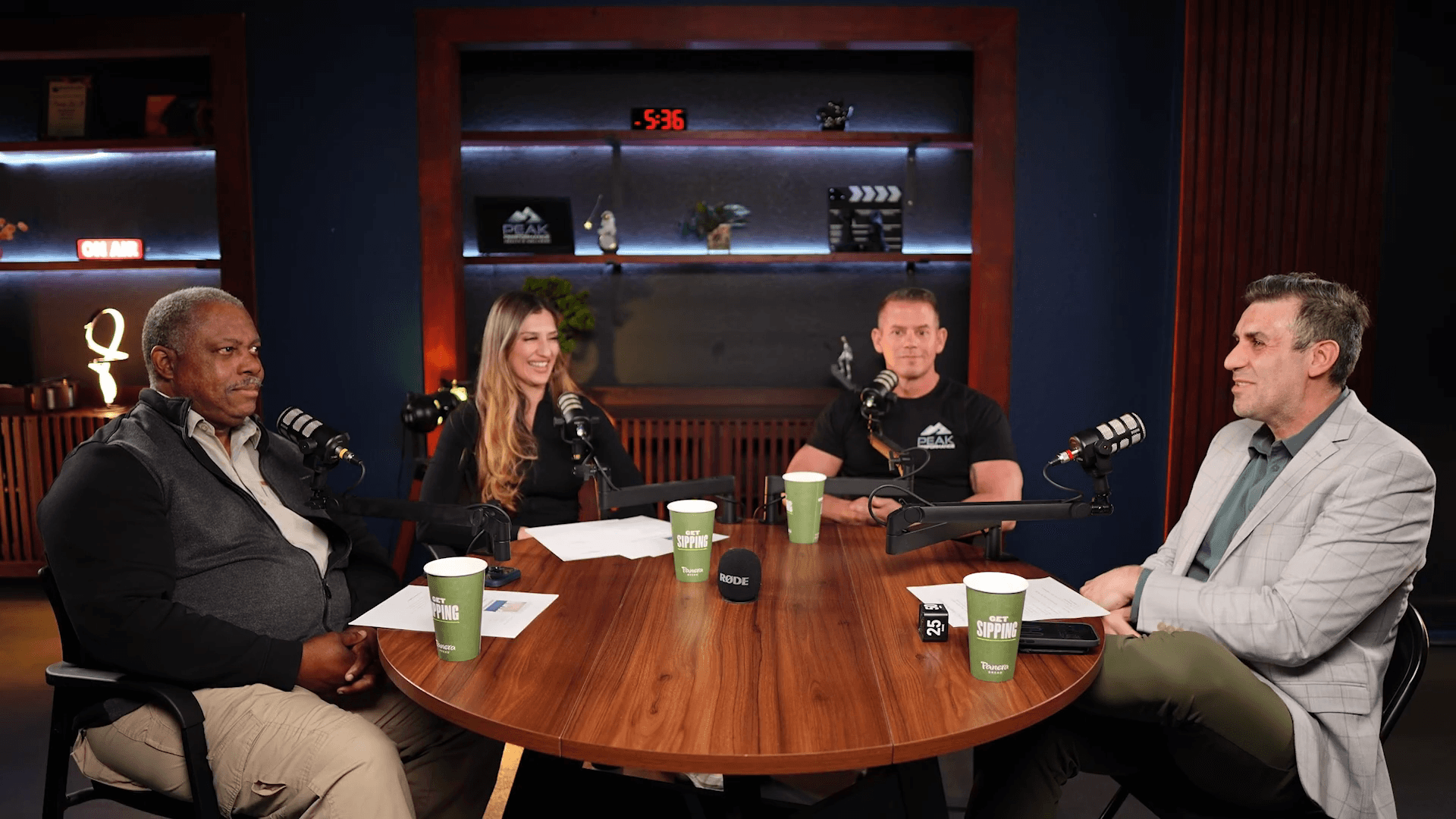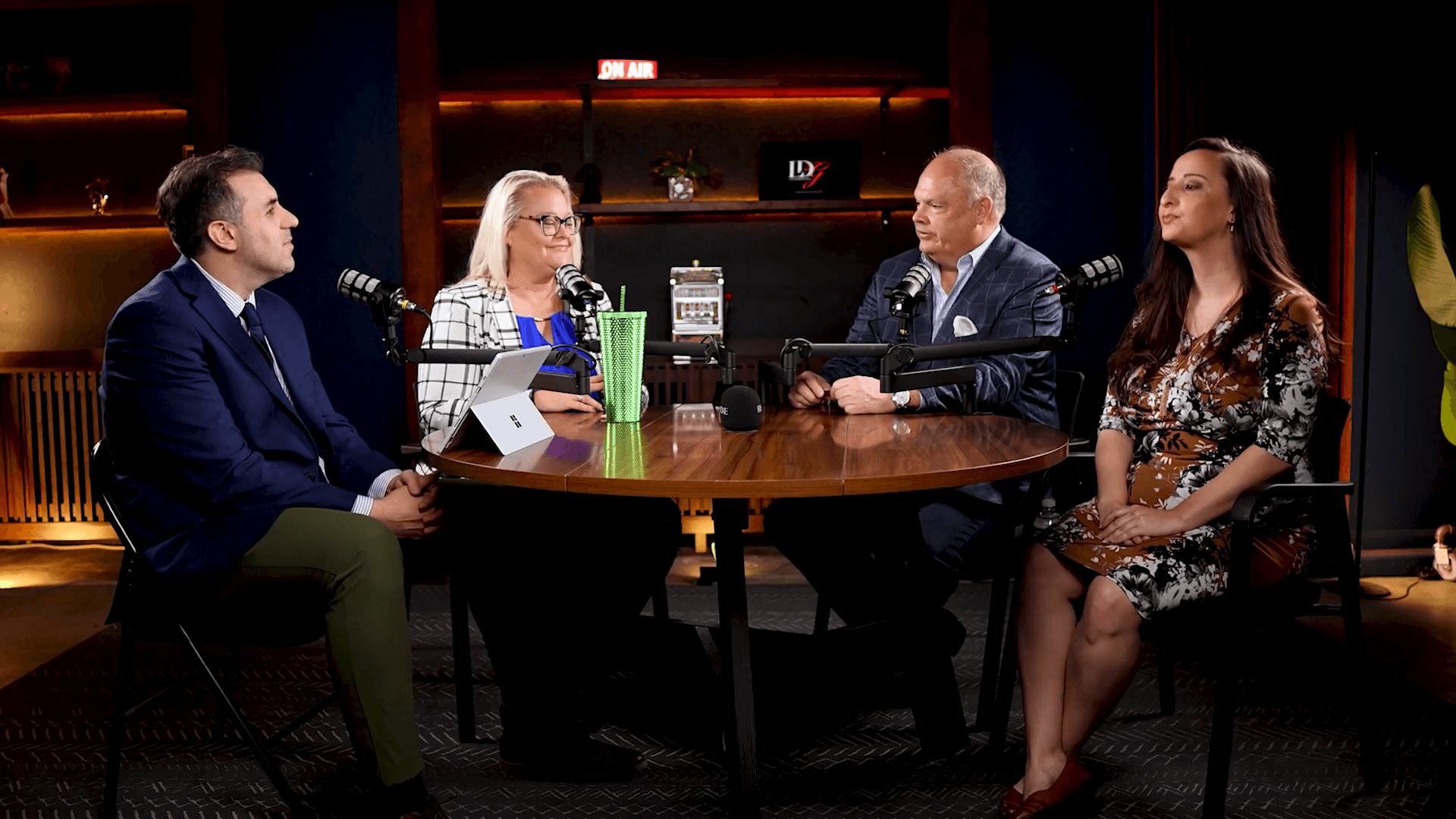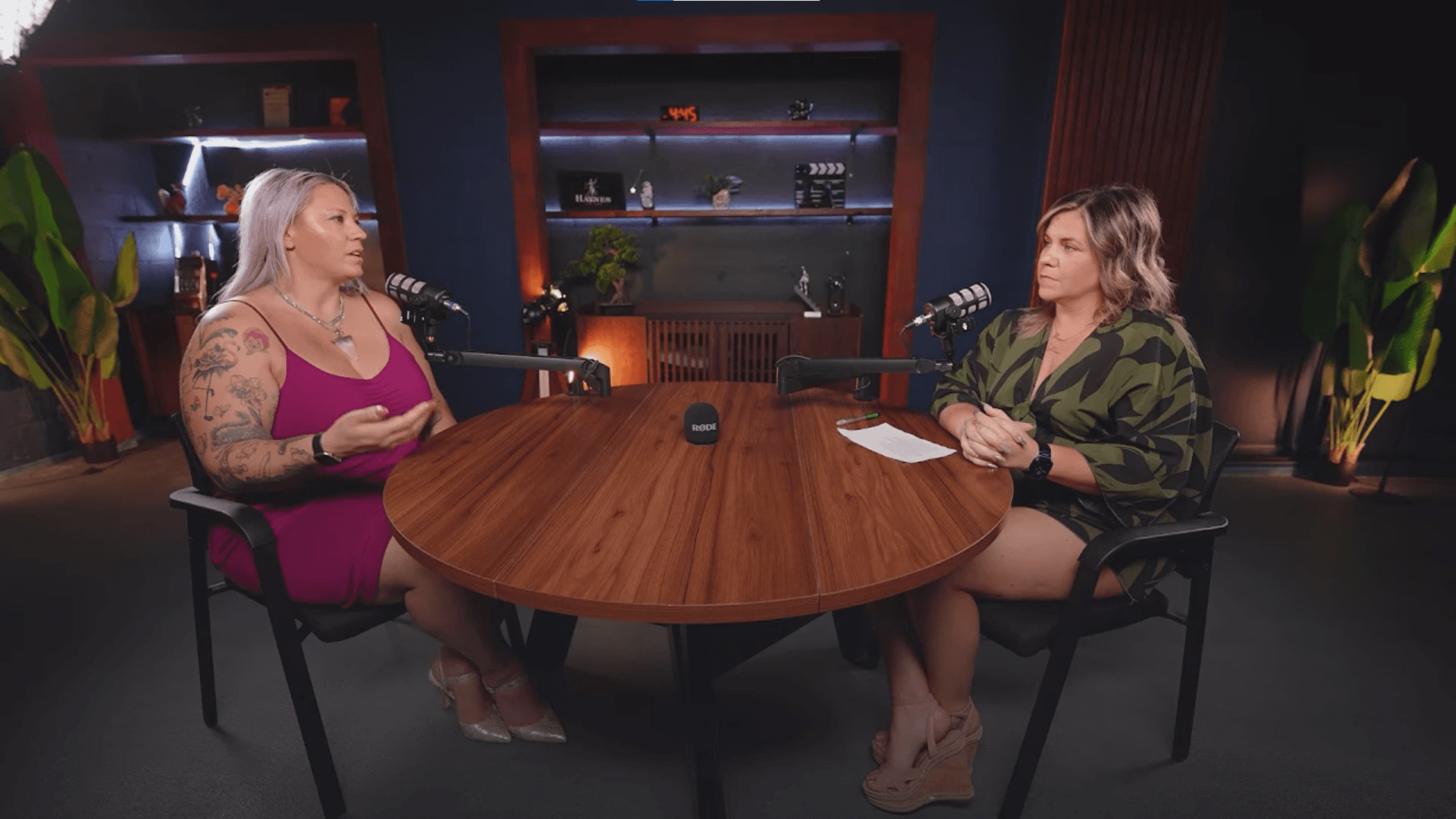
5 Storytelling Lessons from Inland Empire Founders Featured on the IEBN Podcast
Date:
Category:
Five storytelling lessons from Inland Empire founders that any business owner can use to connect with customers, attract talent, and stand out locally.
Every Inland Empire founder we have interviewed has a story. Some are dramatic. Some are quiet. But every one of them has something the founder did, said, or believed that shaped the business into what it is today. And the founders who tell those stories well are the ones who keep growing.
Storytelling is not a soft skill. It is one of the highest-leverage things a business owner can get good at. A great story makes customers choose you over a competitor with a better price. It makes employees take a pay cut to work with you. It makes investors say yes. Here are five lessons we have heard from local founders that any business owner can apply this week.
Lesson 1: Lead With the Mess, Not the Highlight Reel
Most founders open with their wins. Awards, milestones, big clients. But the moment that actually pulls listeners in is when a founder admits something hard. The month they almost ran out of cash. The hire they regret. The early version of the product that flopped.
Vulnerability builds trust faster than expertise does. When you share the mess, your audience leans in. They start to see themselves in your story. They believe you are real. And once you have that trust, anything you say about your business carries more weight.
Lesson 2: Anchor the Story to a Specific Moment
Vague stories do not stick. Detailed ones do. The founders whose interviews get shared the most are the ones who can describe a single moment in their journey with sharp specifics. The exact day they decided to quit their job. The conversation with a customer that changed their whole product. The phone call that brought them to tears.
Specifics make the story real. Generic phrases like, it was a tough time, do not move anyone. But, I sat in my truck in the Home Depot parking lot for an hour because I could not figure out how to make payroll, that lands. Always anchor your story to a specific scene.
Lesson 3: Make the Customer the Hero, Not Yourself
The founders we remember most are not the ones who told us how great their business is. They are the ones who told us about their customers. The senior who got back on her feet after a fall because of their product. The single dad whose plumbing was fixed before his kid woke up. The small business that survived because of one conversation.
When you tell a customer's story well, you are not bragging. You are showing what your business actually does in the world. People remember the impact. And impact stories convert far better than feature lists ever will.
Lesson 4: Connect Your Work to Something Bigger Than the Work
Plumbing is plumbing. Roofing is roofing. Marketing is marketing. But the founders who are growing the fastest are the ones who see their work as part of something larger. Protecting families. Helping small businesses survive. Keeping the Inland Empire economy alive.
You do not have to manufacture a mission. You probably already have one and have just never said it out loud. Why does your work matter to you? What would happen in the community if businesses like yours disappeared? Answer that question, and you have your bigger story.
Lesson 5: Tell the Same Story Often, But Tell It Better Each Time
Founders sometimes worry about repeating themselves. They think if they told the story on one podcast, they cannot tell it again somewhere else. The opposite is true. Your story needs to be told over and over for people to actually hear it.
What matters is that you sharpen it each time. Pay attention to which parts make listeners react. Cut the parts that lose them. Add the details you forgot last time. A great founder story is not written once. It is refined every time you tell it, until it feels effortless and lands every single time.
How to Use These Lessons This Week
Pick one of the five lessons above and apply it to a story you already tell about your business. Try the customer-as-hero version on your next sales call. Add a specific moment to your About page. Open your next networking conversation with a small admission instead of a highlight reel.
Better storytelling does not require any new skills or tools. It requires paying attention to what is already in your business and saying it in a way that makes people care. Start small. The compounding effect on your business will surprise you.
FAQs
01
I am not a natural storyteller. Can I still get good at this?
Yes. Storytelling is a learned skill, not a gift. The founders who tell great stories now were not born that way. They practiced. Start by writing down two or three moments from your business journey. Tell them out loud to a friend. Notice what works and what does not. Refine. That is how every great storyteller got there.
02
How long should a founder story be?
It depends on the context. For a podcast, you might have 5 to 10 minutes. For a sales call, 60 seconds. For a website About page, two short paragraphs. The skill is having multiple versions of your story at different lengths, all built around the same core moments.
03
Should I write my story down or just tell it?
Both. Write it down to clarify the structure and decide which moments matter. Then practice telling it out loud, because written language and spoken language are different. The story you write will not sound right when spoken until you have rehearsed it a few times.
04
What if my business does not have a dramatic founding story?
Most do not. Most businesses started because someone needed a job, saw a small opportunity, or wanted more flexibility. That is enough. The drama is not in the founding moment. It is in the small decisions, the close calls, and the people you have helped along the way. Look harder. Your story is there.
05