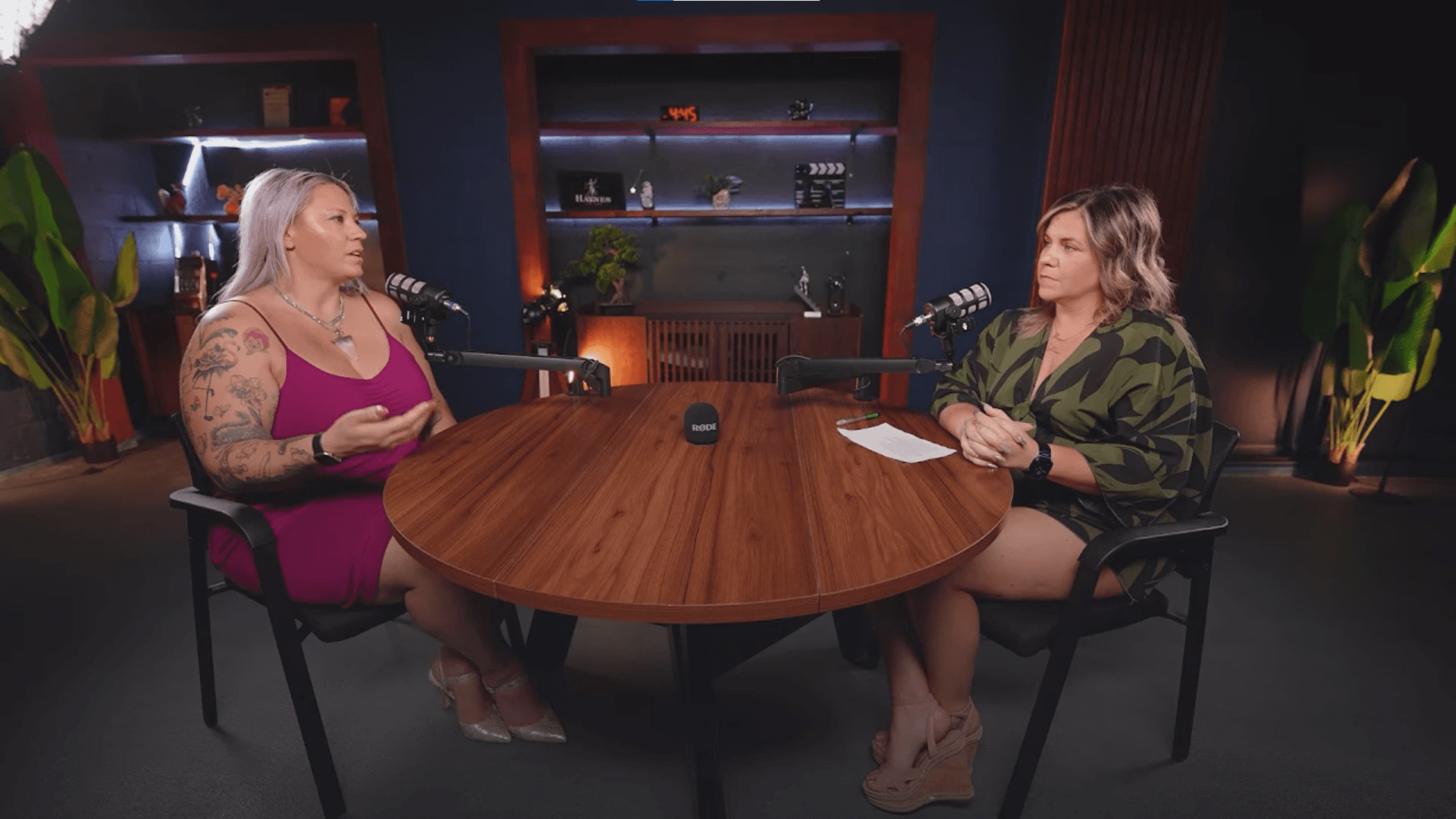
Podcast Marketing vs Social Media Marketing: What Works Better for Local Businesses
Date:
Category:
Discover the differences between podcast vs social media marketing for local businesses. Learn which strategy builds stronger trust, authority, and long-term audience engagement.
Marketing today offers businesses more tools than ever before. Social media platforms allow companies to reach thousands of people instantly, while podcasts provide opportunities for deeper conversations and storytelling.
For many entrepreneurs, the question is no longer whether they should market their business online. Instead, it has become a question of which marketing channels deliver meaningful results.
Among the most frequently discussed strategies are podcast vs social media marketing. Both platforms offer unique advantages, yet they operate very differently.
Understanding these differences is important for local businesses trying to build visibility, credibility, and long-term relationships with their audiences.
The Rise of Social Media as a Marketing Channel
Over the past decade, social media has become one of the most widely used marketing tools for businesses.
Platforms like Instagram, LinkedIn, Facebook, and TikTok allow brands to share updates, showcase products, and interact with audiences in real time.
For local businesses, social media provides a convenient way to communicate with customers and stay visible within their communities.
According to Statista, billions of people around the world actively use social media platforms each day.
This massive audience reach explains why many businesses prioritize social media when developing marketing strategies.
However, despite its popularity, social media marketing also presents several challenges.
The Limitations of Social Media Marketing
While social media platforms offer wide reach, they are also highly competitive environments.
Businesses must constantly compete for attention among:
advertisements
influencer content
viral videos
trending discussions
As a result, gaining consistent visibility often requires continuous content production and algorithm optimization.
Additionally, social media posts tend to be short and fast-paced. Audiences typically scroll through content quickly, which means messages must compete within seconds to capture attention.
This environment can make it difficult for businesses to communicate deeper expertise or complex ideas.
Even companies that produce high-quality content sometimes struggle to maintain engagement due to changing algorithms and increasing competition.
For many entrepreneurs, these challenges have prompted exploration of alternative marketing channels.
The Growth of Podcast Marketing
Podcasting has experienced significant growth in recent years.
Businesses and creators increasingly use podcasts as platforms for storytelling, thought leadership, and professional discussions.
Unlike social media posts, podcasts allow for longer conversations that explore ideas in greater depth.
According to Edison Research, podcast listening continues to grow as more audiences seek educational and conversational content.
For businesses, this shift creates opportunities to engage with audiences in ways that traditional marketing channels rarely allow.
This is why many entrepreneurs are now exploring podcast marketing for small businesses as part of their broader marketing strategy.
Engagement: Depth vs Speed
One of the biggest differences in podcast vs social media marketing lies in how audiences interact with each format.
Social media is designed for rapid consumption. Users scroll through multiple posts within minutes, often engaging briefly with each piece of content.
Podcasts operate differently.
Listeners typically spend extended periods listening to podcast episodes. Many podcast interviews last between 30 minutes and an hour, giving hosts and guests time to discuss topics in detail.
This extended engagement allows businesses to explain ideas, share experiences, and demonstrate expertise.
As a result, podcasts often create stronger intellectual and emotional connections with listeners compared to short social media posts.
Authority and Credibility
For local businesses, authority plays a critical role in attracting customers and building reputation.
When potential clients perceive a business as knowledgeable and trustworthy, they are more likely to choose its services.
Social media can certainly help showcase expertise, especially when businesses share educational posts or helpful tips.
However, the limited format of many social platforms makes it difficult to communicate deeper insights.
Podcasts, on the other hand, provide space for thoughtful discussions.
Entrepreneurs can discuss industry trends, share lessons learned, and explain complex ideas that demonstrate their experience.
These conversations gradually position them as credible voices within their industries.
Over time, this authority can become one of the most valuable outcomes of podcast marketing for small businesses.
Local Visibility and Community Engagement
Another important factor for local businesses is community connection.
While social media allows businesses to reach large audiences, it often prioritizes global content over local conversations.
Local podcasts frequently focus on regional entrepreneurs, community leaders, and industry professionals within a specific geographic area.
This localized focus makes local podcast marketing particularly valuable.
Businesses that appear on podcasts featuring local entrepreneurs can connect with audiences who share the same community.
These conversations often highlight regional challenges, economic developments, and local success stories.
For example, discussions featuring Moreno Valley entrepreneurs embracing business podcasts often explore how professionals in the region are using media platforms to share insights and expand their networks.
This type of local storytelling strengthens community connections and enhances visibility within regional business ecosystems.
Longevity of Content
Another major distinction between podcasts and social media lies in the lifespan of content.
Social media posts often have very short visibility windows. A post may receive attention for only a few hours before being replaced by newer content in users’ feeds.
Podcast episodes tend to have much longer lifespans.
Once published, podcast interviews can remain accessible indefinitely on streaming platforms and websites. New listeners may discover older episodes months or even years later.
This longevity allows podcasts to function as evergreen content that continues generating exposure over time.
HubSpot notes that podcasts can support long-term content marketing strategies by providing valuable educational material that remains relevant.
For businesses, this extended visibility adds significant long-term value to each podcast appearance.
Audience Trust and Authenticity
Trust is one of the most important elements of modern marketing.
Consumers today often prefer brands that communicate authentically and transparently.
Podcast conversations naturally support this type of communication.
Unlike highly polished advertisements, podcasts often involve unscripted discussions where guests share real experiences and perspectives.
Listeners often appreciate these candid conversations because they reveal the human side of business.
According to research published by Harvard Business Review, authenticity plays a major role in how audiences evaluate brands and leaders.
For entrepreneurs, participating in podcast conversations can help establish a more relatable and trustworthy public presence.
Which Strategy Works Best for Local Businesses?
When comparing podcast vs social media marketing, it is important to recognize that both channels offer distinct advantages.
Social media provides:
fast distribution of content
frequent interaction with audiences
visual storytelling opportunities
Podcast marketing provides:
deeper conversations
stronger authority building
long-form storytelling
lasting content value
Rather than choosing one strategy exclusively, many businesses find that combining both channels produces the best results.
Social media can help distribute podcast content and attract listeners, while podcasts provide the depth and credibility that short-form content often lacks.
Together, these platforms can create a balanced marketing strategy that supports both visibility and authority.
The Future of Local Business Marketing
As digital marketing continues evolving, businesses are discovering that credibility often matters more than sheer visibility.
Customers increasingly look for knowledgeable voices they can trust when making decisions.
Platforms that allow businesses to share meaningful insights and experiences will likely become even more valuable in the future.
Podcasts represent one of the most effective formats for this type of communication.
By combining thoughtful discussion, community engagement, and long-form storytelling, podcast platforms provide opportunities for businesses to build lasting authority.
For local entrepreneurs exploring modern marketing strategies, understanding the differences between podcast vs social media marketing can help guide smarter decisions about where to invest their time and energy.
Over time, the businesses that succeed will likely be those that balance visibility with credibility, using multiple platforms to connect with their audiences in meaningful ways.