How Much Does It Cost to Start a Business Podcast in 2026?
Date:
Category:
Search this question and you will find two answers, both unhelpful. One says you can start for nothing with the phone in your pocket. The other quotes studio packages that sound like a car payment.
Search this question and you will find two answers, both unhelpful. One says you can start for nothing with the phone in your pocket. The other quotes studio packages that sound like a car payment.
Both are technically true and neither helps you decide. The real cost depends on what you are actually trying to achieve, and most business owners overspend on the wrong part. Here is where the money genuinely goes.
The Costs Nobody Mentions First
Equipment is the part everyone researches and the smallest part of the total.
The expensive inputs are time and consistency. A one hour recording produces roughly four to six hours of work after the fact. Editing, mixing, writing show notes, designing artwork, uploading and distributing. Multiply that across a year of episodes and the labour cost dwarfs the microphone.
This is why most business podcasts stop around episode eight. Not because the equipment failed, but because nobody accounted for the ongoing production work when they started.
What a DIY Setup Actually Requires
If you are recording solo or remotely and handling everything yourself, the shopping list is short.
A decent USB microphone, closed back headphones, a quiet treated room and free or low cost editing software. Audio quality matters far more than video quality, so the microphone is where the money should go.
Hosting is a recurring cost and a small one. Most platforms charge a modest monthly fee to store episodes and distribute them to Spotify, Apple and the rest.
The honest limitation of DIY is not sound quality. It is that you become the producer, and the production work is what stops most shows.
Where Studio Costs Come From
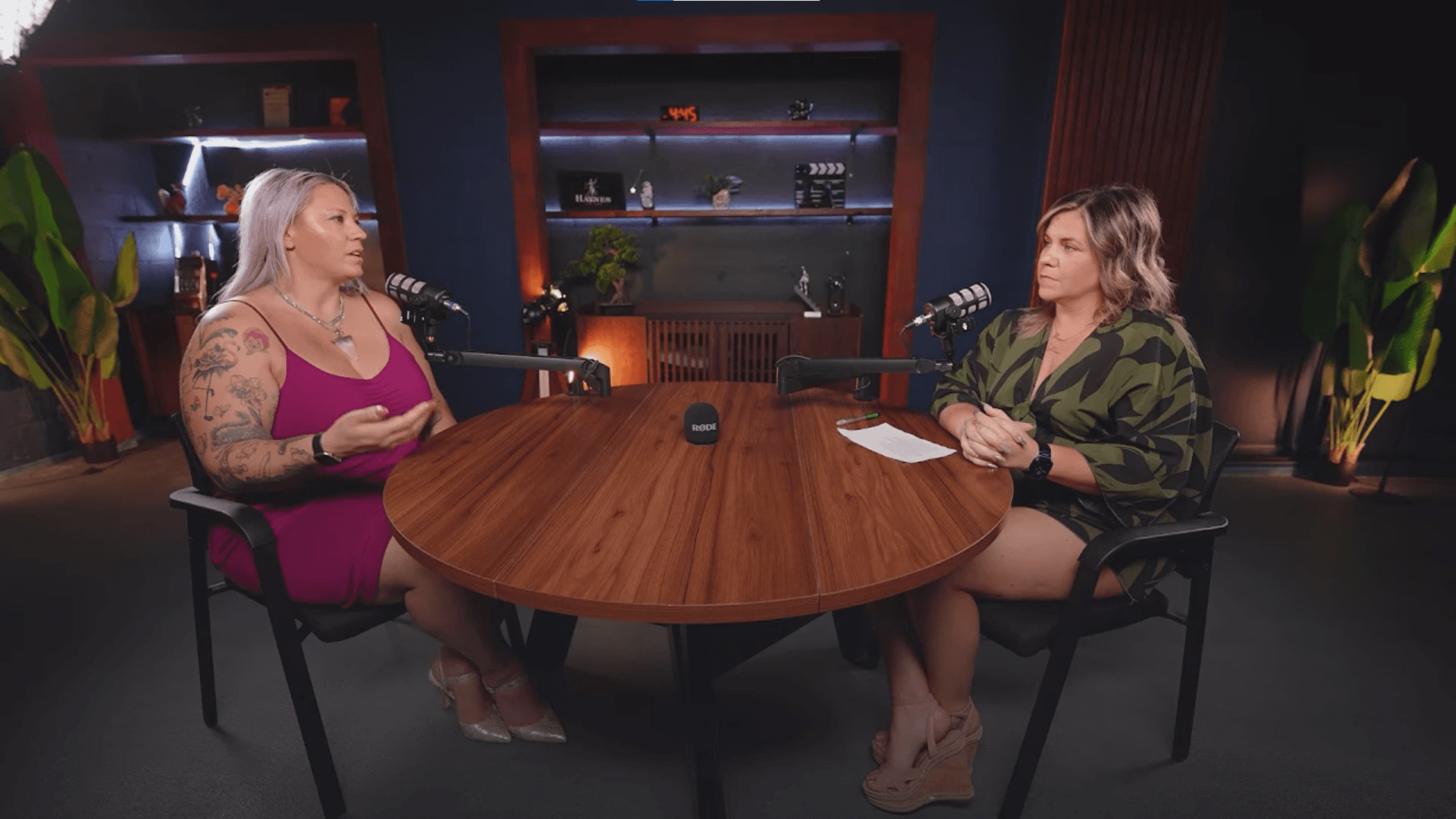
A studio session is not renting a room. You are buying a treated space, professional microphones, multi camera video, an engineer running the session, and the editing that happens afterwards.
Video is what changes the arithmetic most. Audio only production is considerably cheaper than multi camera video, and the difference is significant enough that it should be a deliberate decision rather than a default.
The upside is that video from one session cuts into short vertical clips for social, which many businesses value more than the podcast episode itself.
Pricing generally works either per session or as a package covering a run of episodes. Packages usually work out better per episode, and they impose the consistency that makes a show work.
The Middle Path Most Businesses Should Consider
There is a sensible position between doing everything yourself and outsourcing everything.
Record properly in a studio, because that is the part that is hardest to fix afterwards and most obvious when it goes wrong. Then handle the lower skill work internally if you have capacity, such as writing show notes and scheduling social posts.
Alternatively, record in batches. Four episodes in one session spreads the setup cost across a month of content and removes the weekly scheduling problem entirely.
Batching is the single most effective cost control available, and very few first time podcasters do it.
What Determines Whether the Spend Is Worth It
Podcasting is not a direct response channel and treating it as one leads to disappointment. It builds familiarity and authority over months.
The businesses that get value from it treat each episode as an asset rather than a broadcast. One recording becomes a video, a set of clips, a written article, a newsletter section and a sales asset you send to prospects.
Measured that way, the cost per usable content piece drops dramatically. Measured as one podcast episode reaching a modest local audience, it rarely looks like a good investment.
This is also why guesting on an established show is often the better entry point. Appearing on an existing Inland Empire business podcast costs nothing but your time and reaches an audience that already exists.
Budgeting Realistically
Decide the format before pricing anything. Solo, interview or co hosted, audio only or video, weekly or fortnightly. Each choice changes the number materially.
Commit to a run rather than an episode. Twelve episodes is a reasonable first commitment, because it is long enough to learn what works and short enough to stop without embarrassment.
Budget for distribution, not only production. A well produced episode nobody hears is the most expensive outcome available.
And be honest about who is doing the ongoing work. If nobody in the business owns it, the show will stop regardless of how much was spent starting it.
If you want to launch a podcast that actually performs, ranks, and builds long term authority for your business, get in touch with Parrotslabmedia and start building something that lasts.
FAQs
01
How much does it cost to start a podcast in 2026?
A functional DIY setup requires a decent microphone, headphones, a quiet room and a hosting subscription. Studio production costs considerably more but includes recording, engineering and editing. The larger ongoing cost for most businesses is production labour rather than equipment.
02
Is podcast equipment or podcast editing more expensive?
Editing, by a wide margin, once you account for a full year. Equipment is a one time purchase. Editing, mixing, show notes and distribution recur with every episode and typically take four to six hours of work per hour recorded.
03
Do I need video for a business podcast?
Not necessarily, though video substantially increases the usable output from a session because it produces clips for social platforms. It also increases cost. Decide based on whether you will actually use the clips, since unused video is the most common wasted spend.
04
How many episodes should I commit to before deciding if it works?
Twelve is a reasonable first commitment. It is long enough to establish a format and see whether the content generates conversations, and short enough to stop cleanly. Shows judged after three or four episodes are almost always judged too early.
05